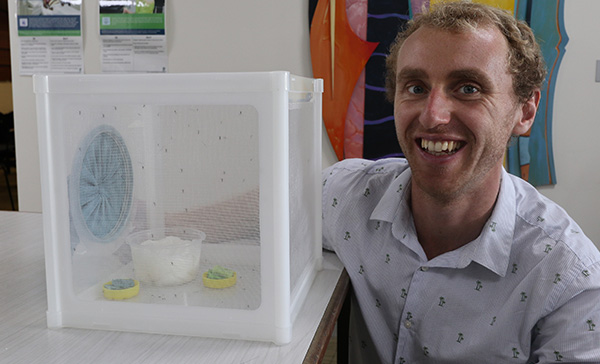
1. Name: Tom Swan
2. Where and in what position are you working? Cairns. PhD candidate at James Cook University
3. Tell us which grant you received and how you are going to use it? $25,000 grant. This grant will be used to conduct field work in the Torres Strait catching the Asian tiger mosquito (Aedes albopictus). This is a highly invasive mosquito and capable of transmitting dengue virus. In Australia, this mosquito is restricted to the Torres Strait. Two main aims of my project are: (1) Testing novel mosquito sound traps against the Asian tiger mosquito, (2) DNA sequencing of the Asian tiger mosquito to better understand its genetic background (i.e. insecticide resistance profile).
4. How did you come to be studying this particular field? During my undergraduate studies in biology, I was fascinated in mosquitoes and the devastating impacts such a small insect has on societies. Upon taking a volunteer teaching trip with EcoCARE Pacific Trust to the Kingdom of Tonga in 2011, I found mosquitoes severely impacted peoples’ way of life. I commenced a MSc at the University of Canterbury (NZ) researching mosquitoes in the Kingdom of Tonga, and discovered the Asian Tiger mosquito had spread rapidly throughout Tongatapu island since it was found in 2011. Recommendations of removing mosquito larval habitats (ie removing containers, rubbish, abandoned tyres) were put forward.
5. How will your research benefit the FNQ community? This research will help build the evidence for how the delivery of a student-led community rehabilitation model can be implemented and what outcomes a service can expect from this service delivery.